
About Joseph E. Gonzalez
I am a professor in EECS at UC Berkeley, working at the intersection of machine learning and computer systems. My research asks how new systems abstractions can enable new forms of machine learning and AI.
Over the past fifteen years, my students and collaborators have built systems spanning large-scale graph learning, distributed machine learning, model serving and tuning, LLM inference and evaluation, and AI agents. This work includes LEANN, SkyRL, Gorilla, the Berkeley Function Calling Leaderboard (BFCL), Chatbot Arena, LLM-as-a-Judge, SGLang, MemGPT, vLLM, Alpa, Ray Serve, Ray Tune, Clipper, GraphX, PowerGraph and GraphLab, among other projects.
Much of this work involved building open-source systems and communities so that new ideas could be used widely in practice. Many of these systems were led by PhD students I advised, who have gone on to academic positions, AI research labs, and companies they founded.
One question has shaped my agenda: If we solve today's hot problems, what new problems will those solutions create? In 2008, when most of the field was developing new models, I bet that scaling learning to much larger datasets and more parallel compute would become the challenge, and began working on ML systems. In 2015, as the field focused on scaling training, I bet that serving large models and adapting them to new contexts would come next, and began working on inference systems.
Today I am betting that many of the hard problems in AI agents will be solved. My group is studying how systems must change for thousands of highly capable agents, how people can steer and negotiate through them, and how models can move from learning from data to learning from teachers. We also work on post-training and new neural architectures. More on these bets →
Research Through the Years
The main areas of my research, from graph systems to AI agents.
-
2023–present
Agents, Post-Training and New Architectures
If many hard problems in agents are solved, we will need to change how systems are built, how people oversee agents, and how models learn.
Agent-first systems · humans steering agent teams · learning from teachers · MemGPT (Charles Packer, Sarah Wooders, Kevin Lin) · SkyRL · LEANN · new architectures (MRNN, sparse attention)
-
2021–2024
Foundation Models
Large models made inference efficiency and evaluation central research problems.
Alpa (Lianmin Zheng) · vLLM · SGLang (Lianmin Zheng, Ying Sheng) · Chatbot Arena and LLM-as-a-Judge · Gorilla (Shishir Patil, Tianjun Zhang)
-
2015–2021
ML Infrastructure
Once a model is trained, it still has to be served, composed with other models and tuned, and each of these steps is a systems problem.
Clipper (Daniel Crankshaw) · Ray Serve (Simon Mo) · Ray Tune (Richard Liaw)
-
2008–2014
Learning at Scale
Machine-learning algorithms have structure that systems can exploit.
GraphLab and PowerGraph, from doctoral work at CMU · GraphX, now part of Apache Spark
Read the full research story, including the people behind each project →
Projects from the group and its collaborations












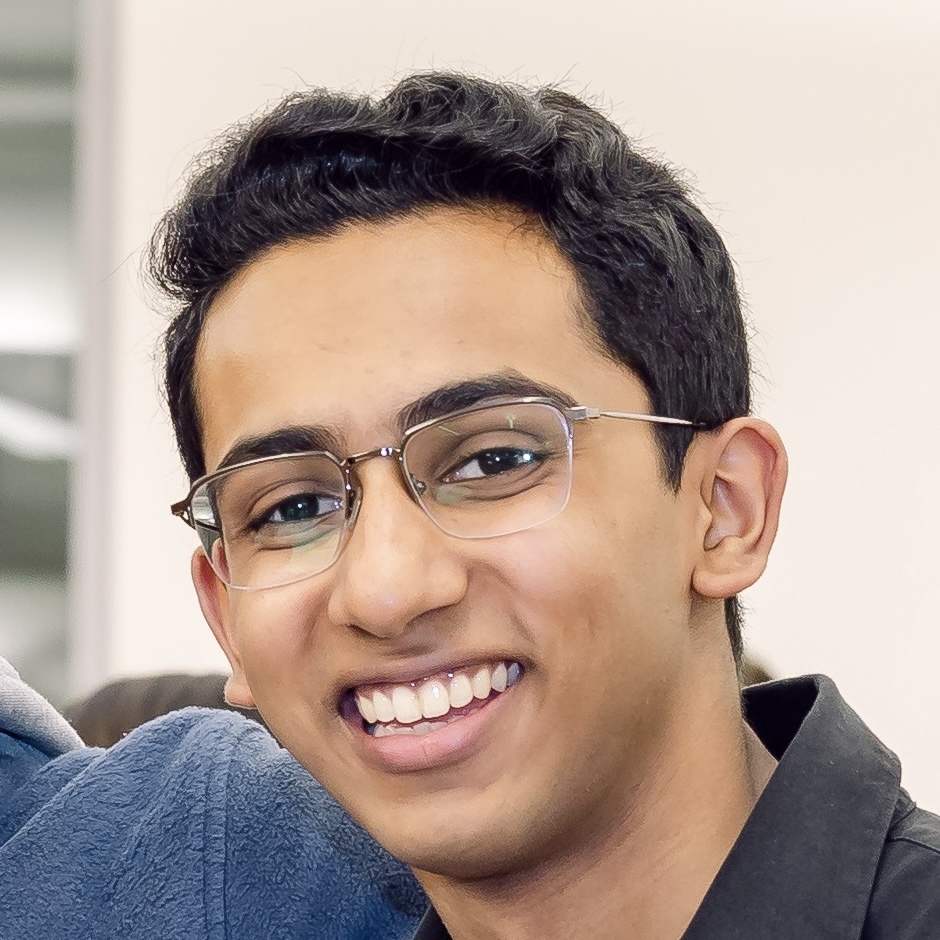
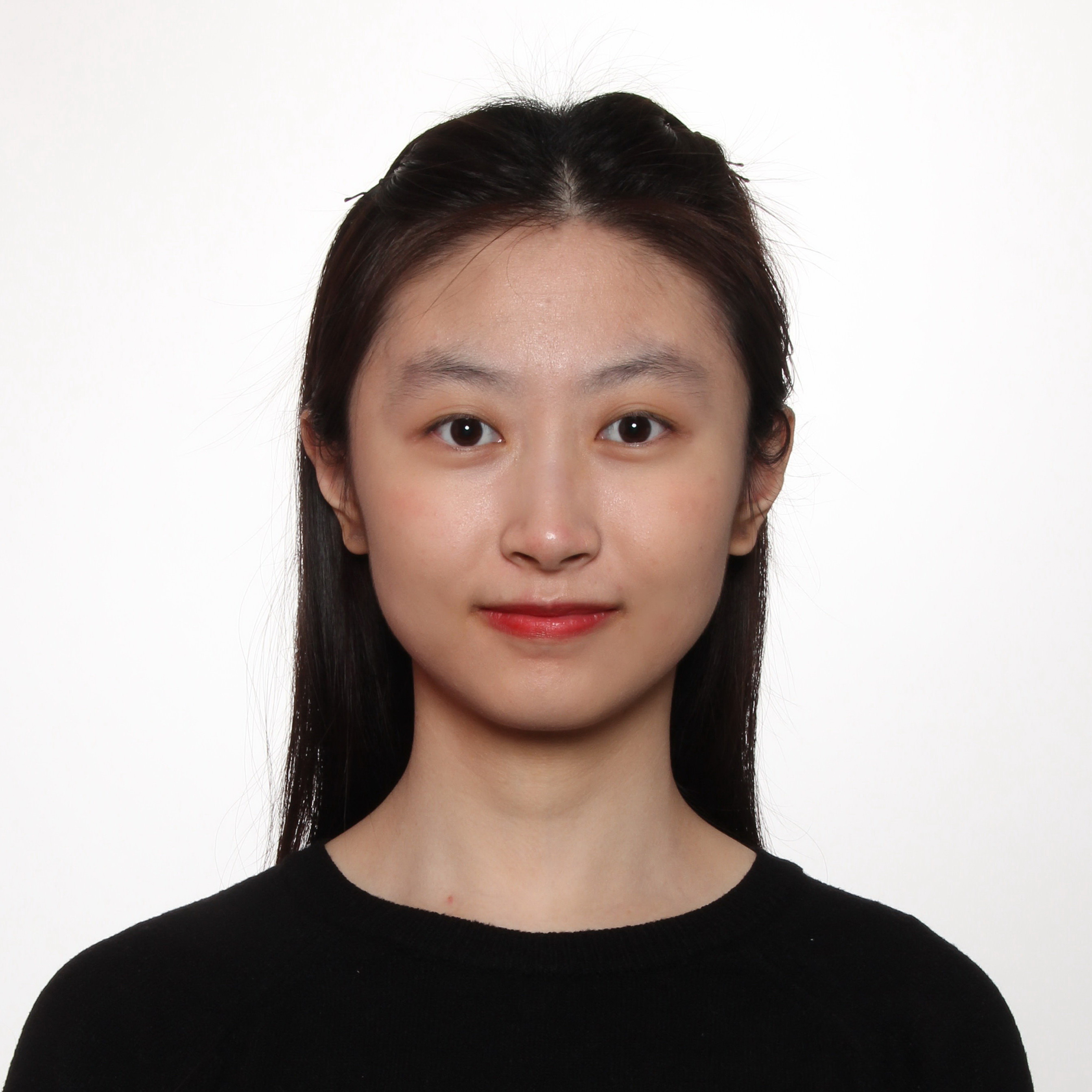
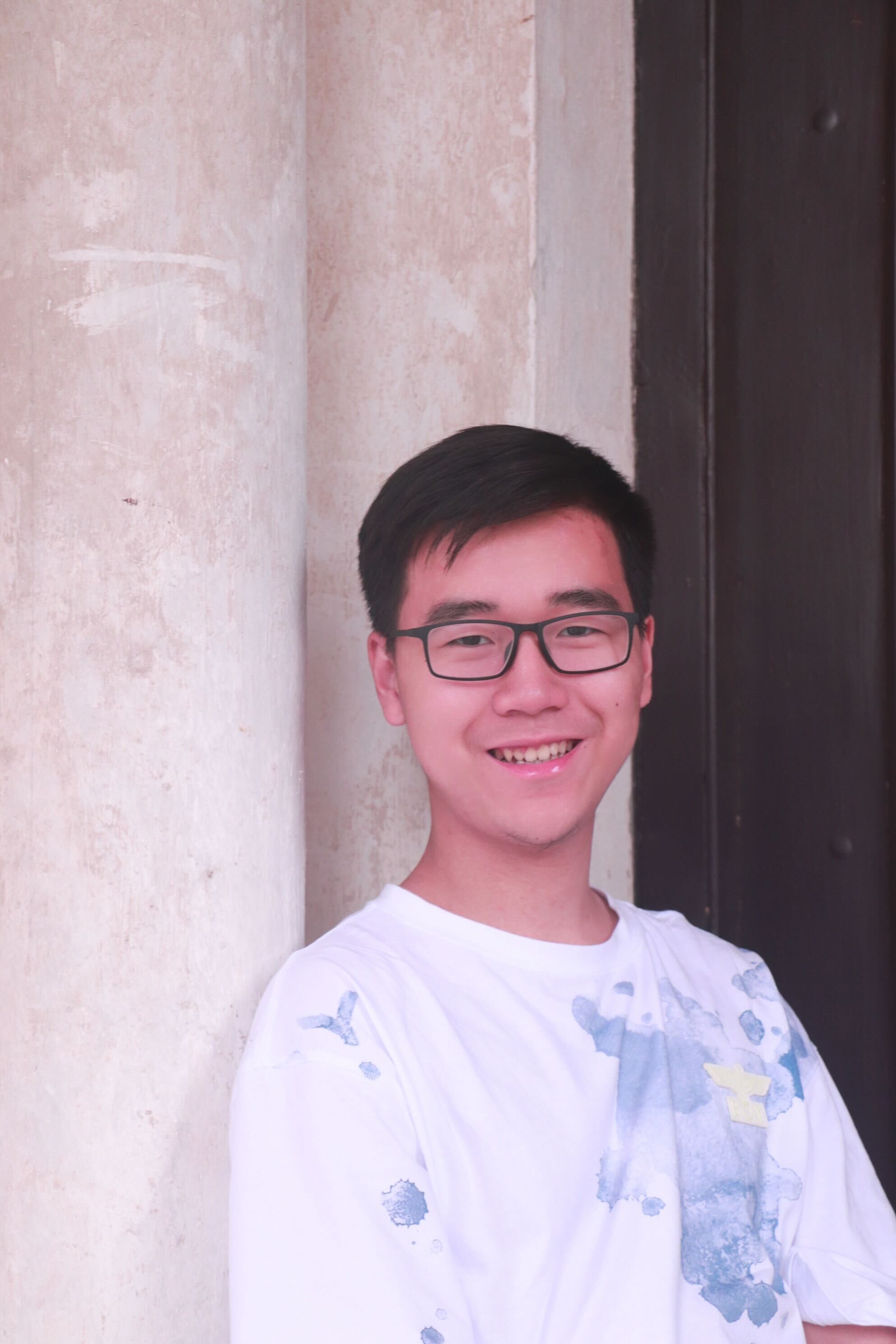
Current PhD Students
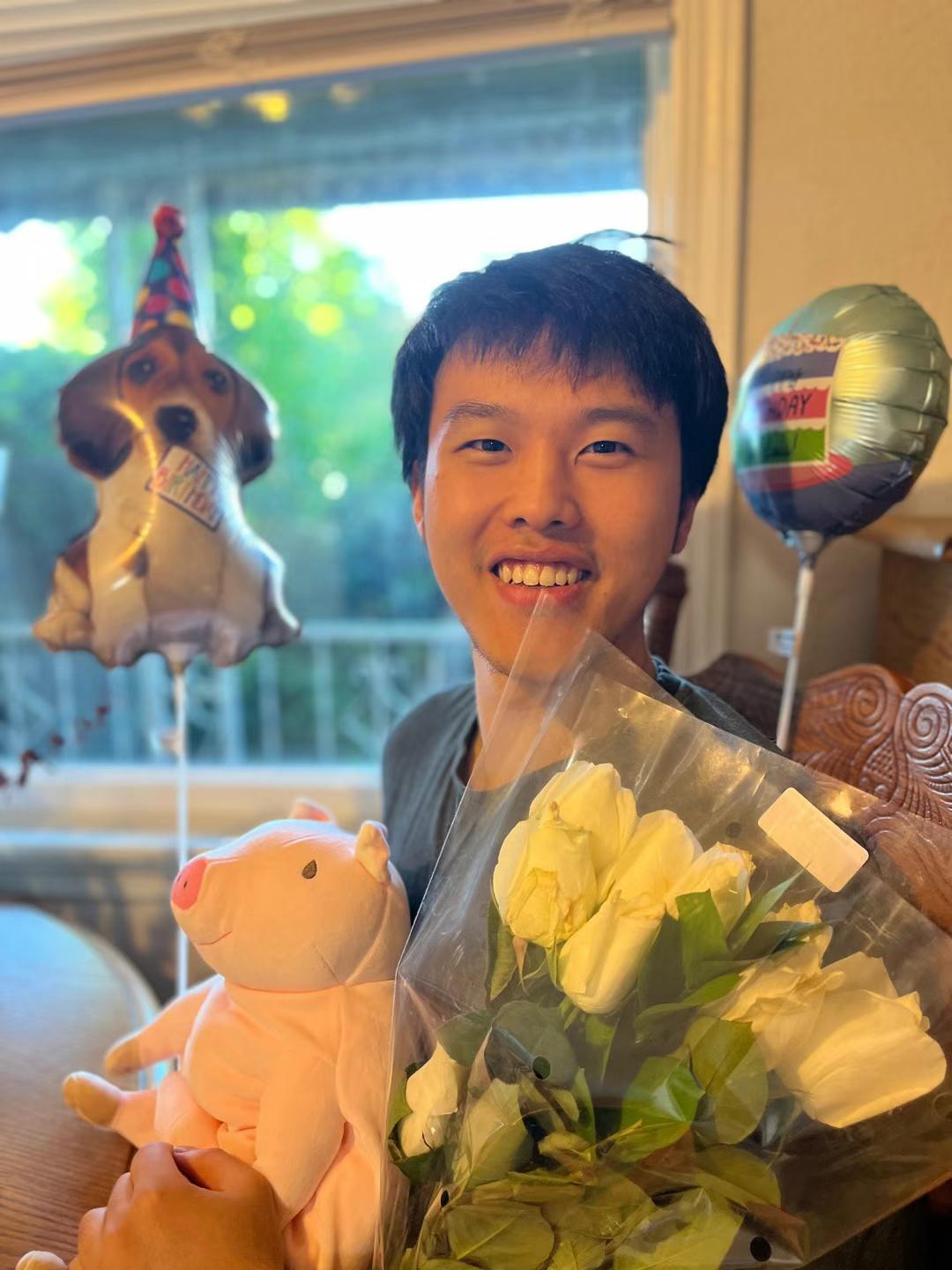
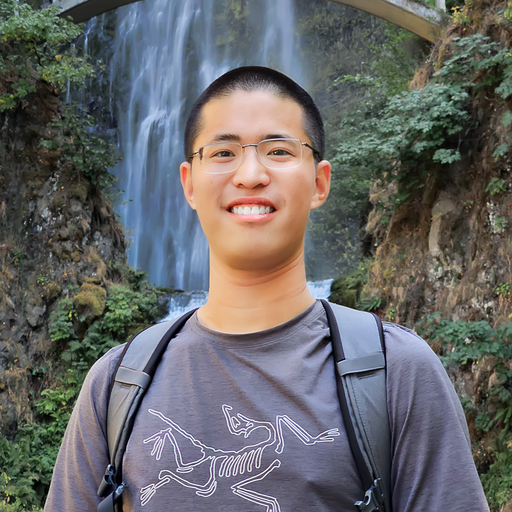
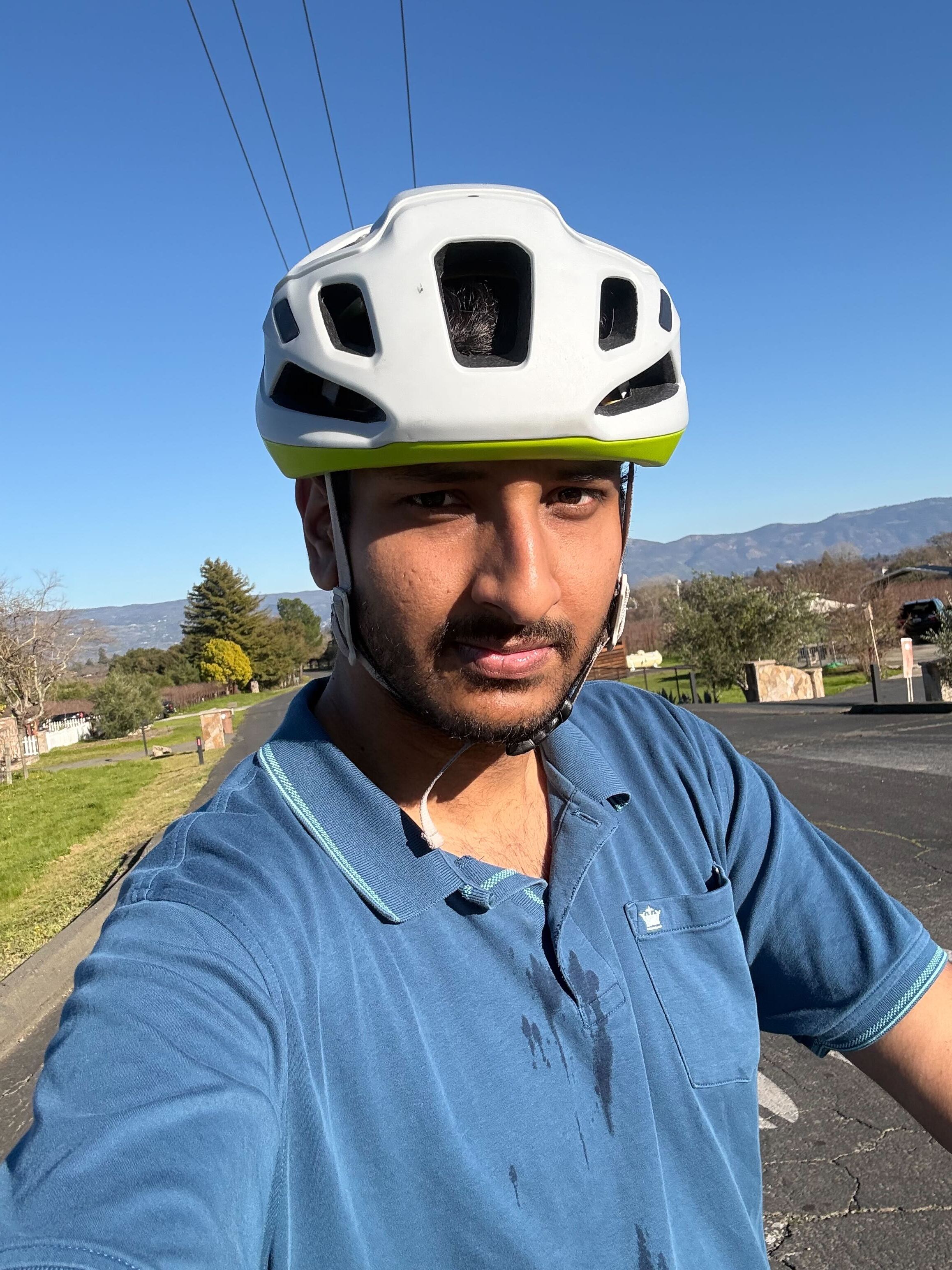
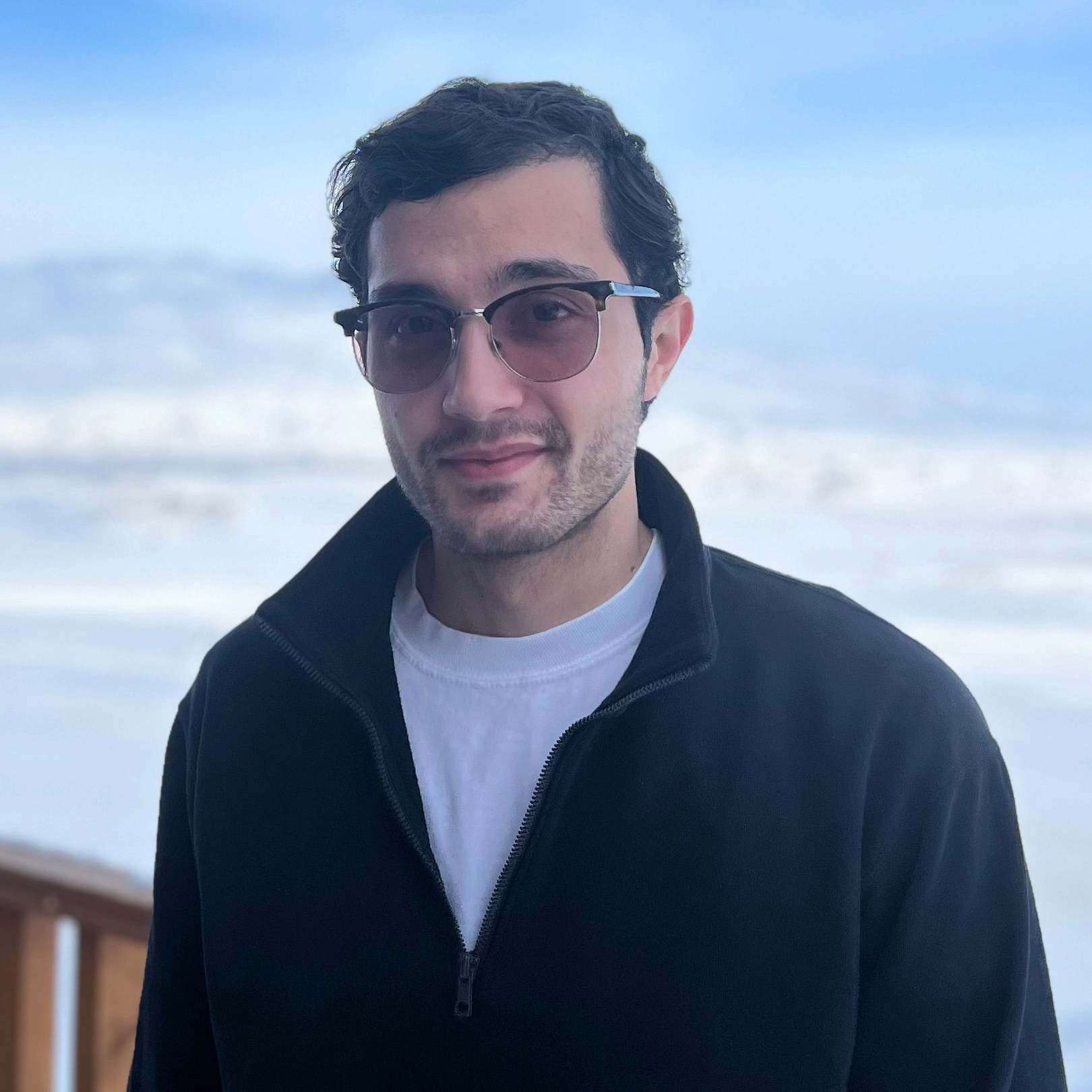
The group includes PhD students I advise and collaborating doctoral students.
-
2024–present
Projects: Advisor Models and continual learning · Multi-agent systems · Data systems for agents
-

2023–present
-
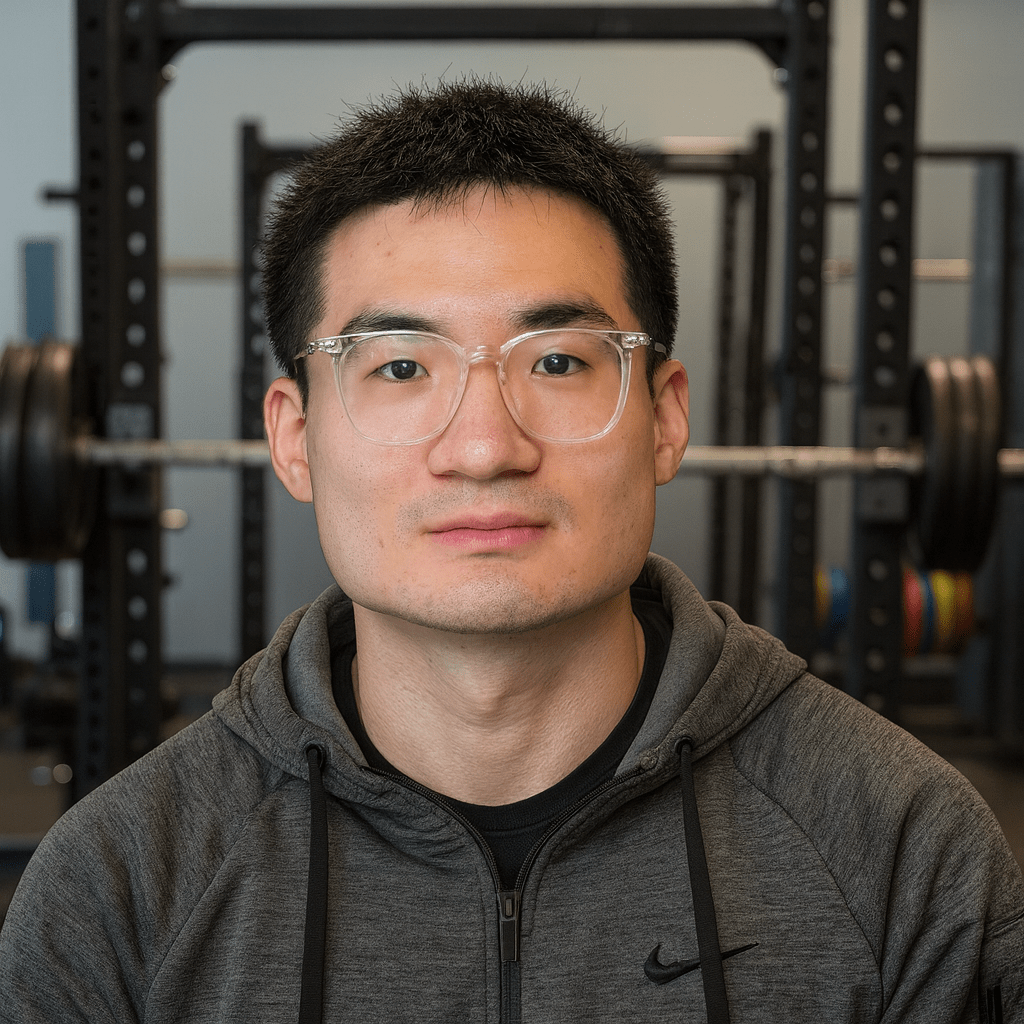
2025–present
-
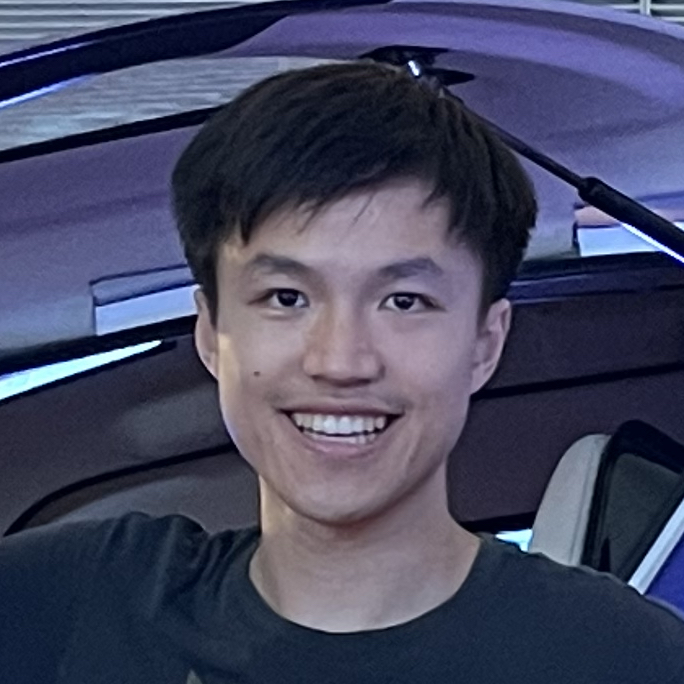
2025–present
-
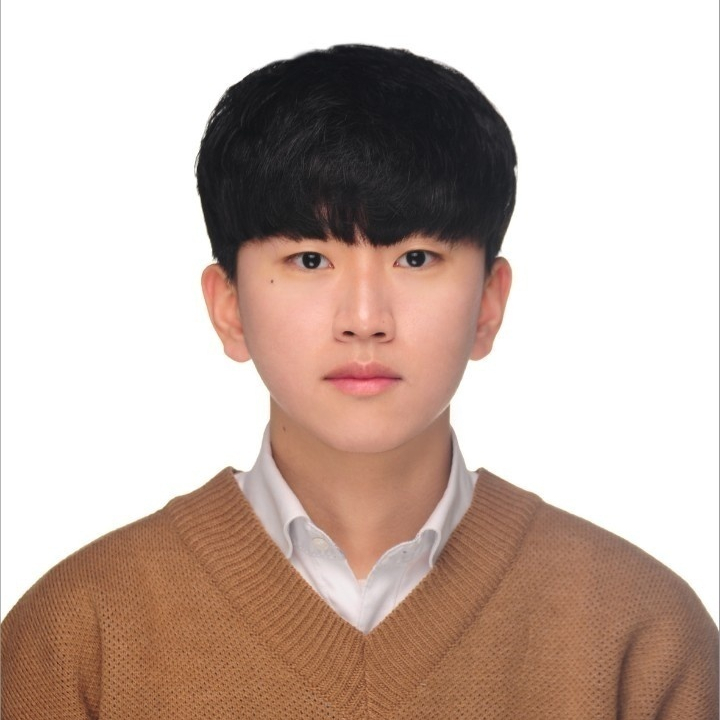
2026–present
-

Projects: Data systems for agents · Evaluating agents
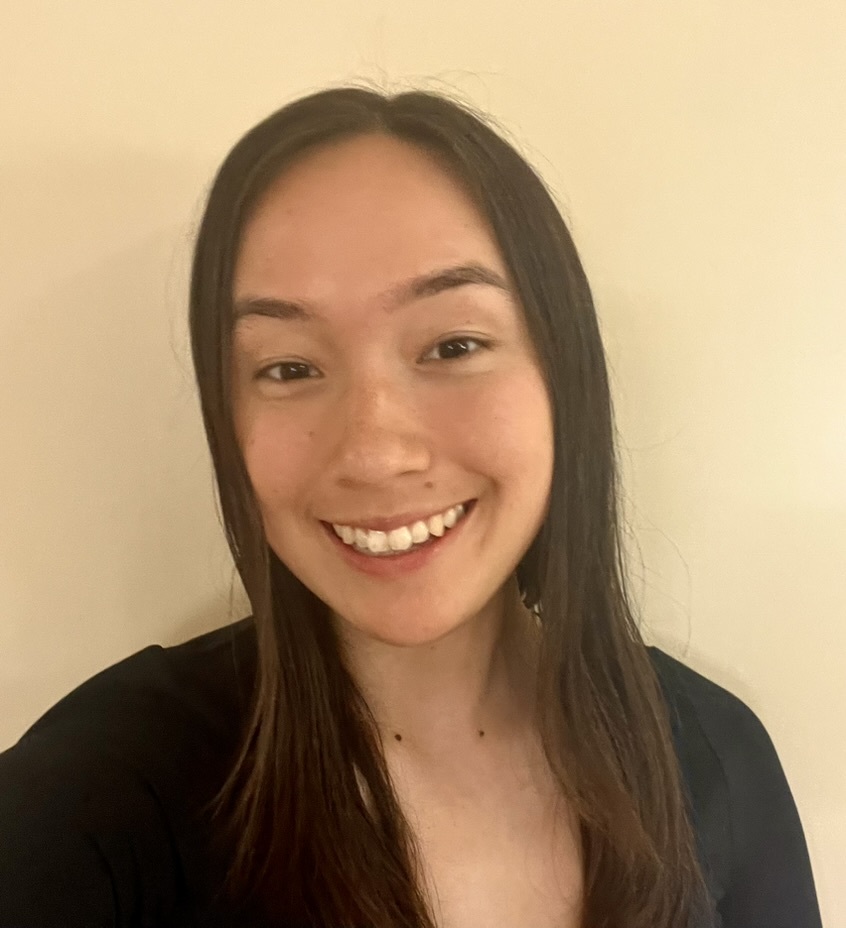


Alumni
Former students and postdocs, with the thesis and projects from their time in the group and selected subsequent roles, as listed in my CV. Dates indicate advising periods, not necessarily full degree enrollment or completion.
Selected Publications · 2026
Recent papers from the group. Foundational papers for each project are linked from the research story, and the full list is on Google Scholar and in the CV.
Recent Preprints · 2026
News and Activities
- October 14, 2026: Keynote at the Policy Advisory Board meeting of the Fisher Center for Real Estate + Urban Economics, UC Berkeley Haas School of Business: “The Big Ideas Behind AI.” Slides (PDF)
- 2027 · Upcoming: General Chair, Conference on Machine Learning and Systems (MLSys).
- May 2026: Invited talk at the Samsung Research America AI Summit, “Finding a New North Star for AI Research in the Post AGI Era.”
- April 2026: Invited faculty talk at the Amazon AI PhD Fellowship Summit, “An Algorithm for Innovation.”
- 2025–2026: CS Division Vice Chair for Graduate Matters, co-chair of the EECS Graduate Matters Committee, and elected member of Berkeley's Academic Senate Divisional Council.
- Fall 2025: Co-taught CS 189/289A: Introduction to Machine Learning with Narges Norouzi. Taught Data 100: Principles and Techniques of Data Science in Spring and Fall 2025.
- September 2025: Invited keynote at the Samsung AI Forum.